
Phoenix, located in the heart of Arizona, is a desert city renowned for its unique geography and vast urban layout. The city enjoys year-round sunshine and dry climate with clear blue skies, representing a typical Southwestern desert climate. Every time I step onto this land, I contemplate an important question: in such a sprawling and diverse city, should I rent a car and enjoy the freedom of driving, or rely on the public transportation system to carefully feel the city’s pulse and pace of life? This choice not only relates to the efficiency and comfort of travel but also profoundly influences my understanding and experience of the city. Choosing the right mode of transportation is a key factor I carefully consider when planning my itinerary.
1. City Layout and Geographic Background: The First Step in Choosing How to Get Around
Phoenix is the sixth-largest city in the United States, covering a vast area of over 1,340 square kilometers. The city’s landscape is mostly flat, with expansive urban sprawl and well-organized streets that make navigation straightforward. However, the sheer size of the metropolitan area, which includes satellite cities like Mesa, Scottsdale, and Tempe, contributes to a multi-core urban structure. This kind of urban development inherently makes choosing the right mode of transportation crucial. For those planning to explore only the downtown area, public transit might be sufficient, with the Valley Metro light rail and buses covering key spots. However, for travelers aiming to visit Phoenix’s many natural attractions, shopping centers, golf courses, or iconic desert parks that lie on the outskirts or beyond city limits, renting a car or driving becomes almost essential to fully experience all that Phoenix has to offer.
2. Driving: The Best Way to Freely Control Your Pace
2.1 Advantages
- High degree of freedom and control over your time
Phoenix’s roads are wide and vehicle density is relatively low compared to cities like Los Angeles or San Francisco. Driving allows you to be completely flexible—no need to wait for buses or rush for the last train. Whether catching a sunrise at the Grand Canyon early in the morning or having a late-night snack downtown, driving makes it all easily possible. - Ideal for exploring nature and suburban attractions
Famous natural sites like Camelback Mountain, Papago Park, South Mountain Park, and the Superstition Mountains are mostly located on the city outskirts or beyond. Driving allows direct access to trailheads and visitor centers without multiple transfers on public transit. - Convenient for luggage and shopping
If you plan to shop—Phoenix is a popular duty-free shopping destination—or carry photography gear or camping equipment, a rental car saves effort and avoids worries about baggage restrictions or loss. - Parking is relatively easy
Unlike New York or San Francisco, Phoenix offers many free or low-cost parking spaces. Malls, attractions, and hotels provide ample parking. Even downtown, paid lots and street parking are usually available.
2.2 Drawbacks and Challenges
- Summer heat impacts driving comfort
While the weather is pleasant from November to March, summer temperatures can exceed 40°C (104°F), causing car interiors to heat up quickly. Air conditioning must run constantly, and drivers must stay hydrated and take sun protection seriously. - Navigation and landmark identification can be tricky
Newcomers driving in Phoenix may find the wide road network confusing. Similar street names (e.g., multiple “Camelback” roads) can cause navigation errors. - Rental procedures and insurance are complex
Renting a car at the airport or downtown requires a valid driver’s license, credit card, and often additional insurance. International visitors must check if they need an international driver’s permit or translated documents. - Rush hour traffic can be congested
Although traffic generally flows well, peak hours (7:30–9:00 a.m. and 4:30–6:00 p.m.) on major roads can experience jams, so planning departure times is advised.
3. Public Transportation: Experiencing the City’s Rhythm at a Slower Pace
3.1 Overview of Phoenix Public Transportation
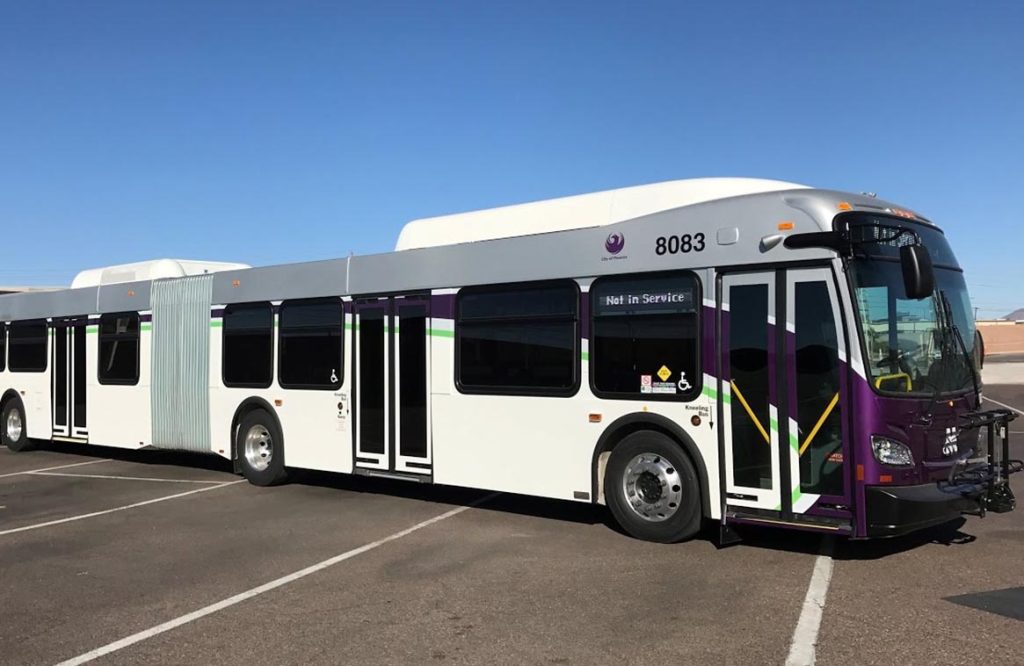
Phoenix’s main public transit system is operated by Valley Metro, which encompasses light rail services (Valley Metro Rail), an extensive bus network (Valley Metro Bus), and dial-a-ride services for those requiring special assistance. The light rail line spans approximately 42 kilometers, connecting downtown Phoenix with parts of Tempe and Mesa, making it a popular and convenient choice for many visitors exploring the city. The system is designed to provide an affordable, eco-friendly alternative to driving, though coverage beyond core areas is limited.
- Light Rail Operation Hours:
Weekday service typically begins around 4:30 a.m. and continues until approximately 12:30 a.m., with slightly longer hours on weekends to accommodate nightlife and late travelers. - Frequency:
During peak commuting hours, trains arrive every 12 minutes, while off-peak periods see service every 15 to 20 minutes, providing fairly regular connections but sometimes requiring some wait time. - Bus System:
The bus network includes over 100 routes that serve major commercial centers and certain residential neighborhoods. However, buses tend to have longer intervals between arrivals, which can make them less convenient for travelers with tight schedules or multiple destinations to cover.
3.2 Advantages
- Suitable for relaxed city sightseeing
For those new to Phoenix or on shorter visits primarily centered around downtown, the light rail and buses offer a hassle-free way to get around without the stress of driving, parking, or navigating unfamiliar roads. Riding public transit also provides a unique window into daily local life and urban rhythms, making travel feel more immersive. - Budget-friendly
With a single light rail ticket priced at just $2 and an all-day pass available for $4, public transit is an economical choice, especially for budget-conscious travelers. The ability to combine rail and bus rides with one ticket further enhances its value. - Environmentally friendly
As concerns about climate change grow, using public transit becomes a responsible way to reduce individual carbon footprints. Especially for short trips within the city, transit helps lessen air pollution and traffic congestion, aligning well with sustainable travel principles.

3.3 Drawbacks and Limitations
- Limited coverage
Outside of downtown Phoenix and university districts, many residential neighborhoods and popular suburban attractions remain difficult to reach directly via light rail or bus. Visitors often find that destinations like the Desert Botanical Garden, Camelback Mountain hiking trails, and the historic Old Town Scottsdale require additional walking, taxis, or ride-hailing services to complete their journeys. - Long wait times and infrequent service
While the light rail runs fairly regularly during peak times, buses often have long gaps between arrivals, sometimes exceeding 30 minutes. During early mornings, late evenings, or weekends, transit options become even less frequent, making scheduling more challenging for travelers who need punctual connections. Phoenix is not widely recognized as a city with a highly efficient or transit-friendly public transportation system. - Lack of flexibility
Public transit routes and schedules are fixed, which means travelers face challenges if they need to adjust plans on short notice or respond to unexpected weather conditions. Transferring between lines can consume significant time, potentially delaying visits to key attractions or appointments. - Safety and comfort vary
While most transit services in Phoenix maintain a generally safe environment, some light rail and bus routes occasionally experience issues with homeless individuals or disruptive passengers. Travelers should remain vigilant, especially during off-peak hours, and take standard precautions to ensure personal safety and comfort during their rides.
4. Ride-Hailing and Mixed-Mode Travel: Practical Tips
In recent years, I have increasingly adopted a hybrid travel method by combining ride-hailing services such as Uber and Lyft with Phoenix’s public transportation system. This approach allows me to avoid the hassle and expense of renting a car for the entire trip while still maintaining the flexibility to quickly reach destinations that are not well-served by buses or light rail. It strikes a perfect balance between convenience and cost-efficiency.
- Ideal for travelers who don’t plan extended stays but want to see more attractions.
- Use light rail downtown and ride-hailing services for out-of-town trips—costs remain manageable.
- Especially good for those unfamiliar with local roads or without an international driver’s license.
5. Finding Your Rhythm Between Freedom and Efficiency
Every trip to Phoenix, I adjust my transportation choice based on travel purpose, season, weather, and budget. I must admit the control and freedom driving offers are irreplaceable, especially when facing vast desert and mountain views. The journey itself becomes part of the adventure. Meanwhile, Phoenix’s light rail and bus systems are steadily improving and perfectly suit those who prefer a slower urban exploration to experience different neighborhoods and cultural districts. For short visits or tighter budgets, combining public transit with ride-hailing is a practical alternative. The key is to find the transportation mode that best matches your travel pace. Whichever you choose, Phoenix will open the door to a Southwest memory filled with sunshine, warmth, and discovery.